Featured

The Genuine Price of Neglecting Debt: Exactly How Professional Therapy Services Are Changing Financial Recuperation
Table of Contents
Monetary stress and anxiety has actually ended up being a specifying quality of modern-day American life. With complete charge card financial obligation exceeding $1.21 trillion and the ordinary cardholder owing more than $6,500, numerous people find themselves entraped in cycles of minimum payments and intensifying interest. When charge card rate of interest hover around 23%, even small balances can balloon right into frustrating worries within months.
For those drowning in debt, the concern isn't whether to look for assistance-- it's locating the appropriate kind of help that won't make matters worse.
The Expanding Demand for Financial Obligation Forgiveness Solutions
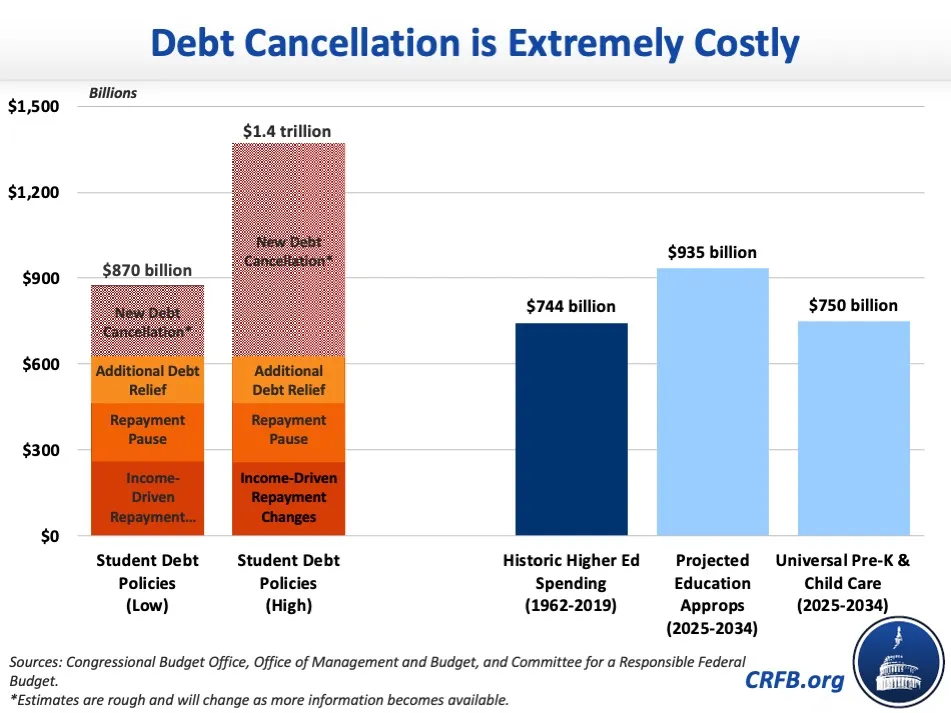
Debt forgiveness has emerged as one of one of the most searched economic subjects online, and for great factor. The principle of working out debts for much less than the total owed offers genuine wish to people who see no practical course to paying their equilibriums in full.
The process generally works similar to this: when bank card accounts go unsettled for 120 days or even more, lenders often bill off the financial obligation. At this stage, they might approve lowered negotiations to recoup a minimum of a part of what's owed. Successful settlements can decrease equilibriums by 30% to 50%, relying on the financial institution and your demonstrated economic difficulty.
Nonetheless, debt mercy isn't cost-free money. Worked out accounts show up on credit score reports as "" paid less than complete balance,"" which affects your score. Additionally, forgiven amounts surpassing $600 may be reported to the internal revenue service as gross income. Understanding these trade-offs before going after negotiation is important.
Bankruptcy Counseling: The Misunderstood Security Web
Bankruptcy brings substantial stigma, yet it stays a legit lawful device designed to offer overwhelmed individuals a genuine new beginning. What lots of people don't understand is that government regulation calls for 2 counseling sessions prior to and after filing-- and these sessions exist particularly to guarantee you're making a notified decision.
Pre-bankruptcy credit history counseling involves a comprehensive review of your revenue, financial debts, and expenditures. Licensed counselors present options you may not have thought about, consisting of debt management programs or hardship negotiations. This isn't regarding preventing personal bankruptcy; it has to do with confirming it's absolutely your best choice.
Post-bankruptcy debtor education and learning prepares you for economic success after discharge. You'll discover budgeting methods, conserving approaches, and credit scores restoring comes close to created to protect against future economic troubles.
Organisations like APFSC offer both called for courses, with fees around $19.99 per session unless you qualify for challenge waivers. Their certified therapists give same-day certificates, and sessions generally run 60 to 90 minutes. This ease of access issues when you're already emphasized about financial resources.
Contrasting Your Debt Relief Options
Comprehending the landscape of debt relief aids you make notified decisions. Each technique carries distinctive benefits and disadvantages.
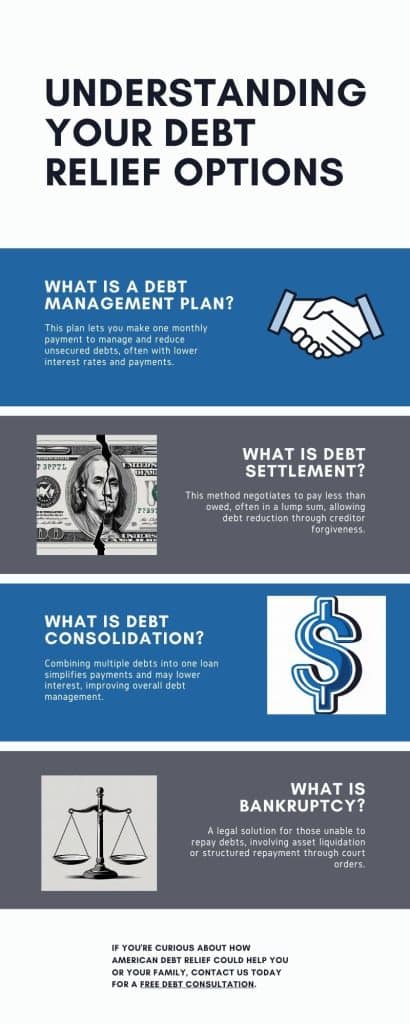
Financial Debt Management Programs settle several unprotected financial debts into single month-to-month settlements. Counselors work out with lenders to potentially reduce rates of interest without needing brand-new car loans. Many clients total these programs within 3 to 5 years. The main advantage is paying financial obligations in complete while decreasing complete passion paid.
Financial debt Settlement discusses lowered reward quantities, commonly 30% to 50% less than owed. This approach needs stopping settlements to lenders while gathering negotiation funds, which harms credit score ratings throughout the procedure. Outcomes vary based on creditor willingness and your shown hardship.
Personal bankruptcy provides court protection while getting rid of or restructuring financial obligations. Phase 7 sells off specific assets to release unsafe financial obligations swiftly. Chapter 13 develops three-to-five-year repayment prepare for those with normal earnings. Bankruptcy stays on credit report records for seven to 10 years but uses one of the most comprehensive clean slate.
Credit Counseling gives education and guidance without always enrolling in official programs. Certified therapists review your complete economic image and advise appropriate following steps, which could consist of any one of the above alternatives.
What Sets Nonprofit Therapy Apart
The difference in between not-for-profit and for-profit financial obligation relief business matters tremendously. Not-for-profit agencies like those certified by the National Foundation for Credit Report Counseling (NFCC) run under stringent honest standards and fee guidelines. Their therapists undertake strenuous certification and needs to recertify every 2 years.
For-profit financial debt negotiation business, conversely, might bill fees varying from 15% to 25% of signed up debt balances. Some employ hostile sales tactics and make impractical assurances about outcomes. The Customer Financial Defense Bureau has recorded many complaints about aggressive techniques in this field.
APFSC runs as a not-for-profit therapy agency, using free debt monitoring consultations and regulated fees for recurring solutions. Their HUD-approved housing therapists add value for those facing repossession alongside general financial obligation concerns. Solutions are offered in English, Spanish, and Portuguese, expanding ease of access to underserved communities.
Research study supports the efficiency of not-for-profit therapy. A research study commissioned by the NFCC located that debt counseling customers decreased revolving debt by $3,600 greater than contrast teams throughout the 18 months following their sessions. Nearly 70% of individuals reported enhanced money monitoring and higher economic confidence.
Indication of Predative Financial Debt Relief Provider
Not all debt alleviation companies have your benefits in mind. Recognising red flags secures you from making a difficult scenario worse.
Be careful of companies that guarantee certain outcomes. No legit service can guarantee exact settlement portions or timeline warranties since outcomes depend upon individual lenders and conditions.
Prevent any company demanding huge ahead of time fees prior to offering solutions. Genuine not-for-profit therapy supplies totally free first assessments, and for-profit negotiation firms are lawfully prohibited from collecting fees until they efficiently work out a minimum of one financial debt.
Concern anyone encouraging you to quit connecting with financial institutions completely without clarifying the consequences. While tactical communication stops sometimes support arrangements, complete avoidance can lead to claims, wage garnishment, and extra damage.
Legitimate firms explain all choices truthfully, consisting of options that might not include their paid services. If a firm pushes only one service regardless of your scenario, seek assistance somewhere else.
Taking the Very First Action Towards Recovery
Financial healing begins with truthful analysis. Gather your most recent declarations for all debts, calculate your overall commitments, and review your realistic monthly repayment capacity. This information forms the foundation for any kind of productive therapy session.
Take into consideration organizing totally free examinations with multiple nonprofit companies before devoting to any kind of program. Contrast their referrals, cost structures, and interaction designs. The right therapy connection need to really feel encouraging instead of pressuring.
Organisations like APFSC use on the internet conversation, phone examinations, and detailed intake procedures developed to understand your special situation prior to suggesting services. Their debt administration calculator aids you imagine prospective timelines and savings before enrolling.
The Path Forward
Frustrating financial debt does not define your future-- however ignoring it will. Whether financial obligation mercy, insolvency therapy, or structured financial debt administration makes feeling for your circumstance relies on elements distinct to your circumstances.
Professional support from licensed not-for-profit therapists lights up choices you may never uncover separately. These services exist particularly to assist individuals like you browse complicated financial challenges without predacious costs or impractical guarantees.
The average American having a hard time with financial obligation waits much as well lengthy prior to looking for aid, permitting interest to compound and choices to narrow. Every month of delay expenses money and prolongs your recuperation timeline.
The Financial Struggles Veterans Face After Service And How APFSC Is Changing LivesYour first conversation with a qualified counselor expenses absolutely nothing however could change whatever. Financial liberty isn't scheduled for the fortunate-- it's available to anyone ready to take that preliminary step toward comprehending their alternatives and devoting to a realistic plan.

Table of Contents
Latest Posts
The smart Trick of Actions to Take Once Bankruptcy That Nobody is Talking About

Fascination About Staying Safe from Debt Relief Scams
About Certification Standards in the Industry
More
Latest Posts
The smart Trick of Actions to Take Once Bankruptcy That Nobody is Talking About
Fascination About Staying Safe from Debt Relief Scams
About Certification Standards in the Industry